You head out early in the morning, turn the key in your car, and two very strange things happen: the radiator fan kicks on at full speed even though the engine is ice cold, and when you crank it, the engine takes forever to start while blowing black smoke that smells like raw gasoline.
When you plug in an entry-level OBD2 scanner, you get code P0118 (Engine Coolant Temperature [ECT] Circuit High) or P0113 (Intake Air Temperature [IAT] Circuit High). It is one of the easiest and cheapest faults to diagnose and fix yourself in 10 minutes.
ECT (coolant) and IAT (intake air) temperature sensors are NTC thermistors: when they are unplugged, one of their two wires breaks, or the sensor opens internally, the signal voltage gets stuck at 5.0 Volts. The ECU reads that 5.0V signal as if the car were sitting in Alaska at -40 °C (-40 °F): as a result, it dumps twice as much fuel (flooding the spark plugs) and triggers the radiator fan into fail-safe mode for engine protection.
1. Normal Voltage and Temperature Chart for ECT and IAT Sensors
With a basic OBD2 scanner and a multimeter, you can tell in seconds whether the culprit is a $250 MXN sensor or a broken wire at the 2-pin connector:
Compare your readings against this standard reference chart:
| Engine Condition | Scanner Reading (Live Data) | Multimeter Voltage (Connector Plugged In) |
|---|---|---|
| Cold engine in the morning (20 °C to 25 °C) | ECT and IAT read nearly the same (~22 °C) | Between 3.0 V and 3.5 V DC. |
| Engine at normal operating temperature (90 °C to 98 °C) | ECT reads 90 °C–98 °C | Drops to between 0.45 V and 0.80 V DC. |
| P0118 / P0113 Fault (Open Circuit) | Stuck reading -40 °C on the scanner screen | Stuck at a flat 5.0 V on the signal wire. |
2. How to Check Whether It Is the Sensor or the Wiring in 3 Simple Steps
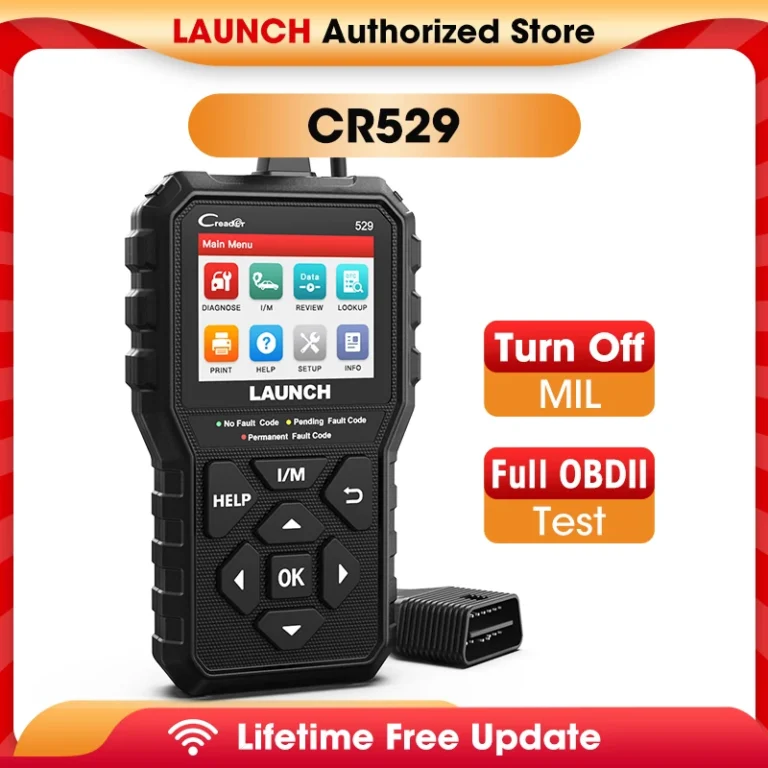
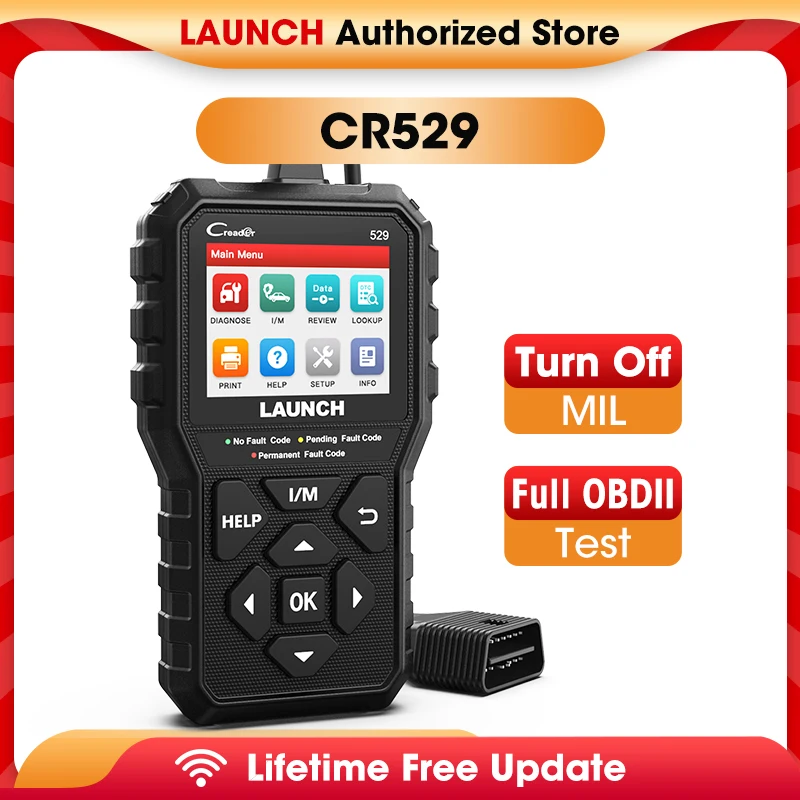
- Step 1 — Check ECT and IAT in Live Data before starting the engine: In the morning with a cold engine, turn the ignition key to ON and open Live Data on your LAUNCH CR529. If the ambient temperature outside is 20 °C and the ECT sensor reads -40 °C, you have an open circuit.
- Step 2 — Measure the 5V reference at the connector with your multimeter: Unplug the 2-wire connector from the ECT sensor and measure DC voltage across both pins with the key ON: you should see exactly 5.0V. If you have 5.0V at the harness, the wiring and ECU are good and the sensor itself is faulty.
- Step 3 — Shop trick: resistor jumper or resistance check in Ohms: Measure across the 2 pins of the unplugged sensor on the 20 kΩ scale: at 25 °C it should read between 2,000 Ω and 3,000 Ω (2.0 to 3.0 kΩ). If it reads ‘OL’ (open loop), replace the sensor with a new one.
3. The 2 Budget-Friendly Tools That Solve This Fault Today
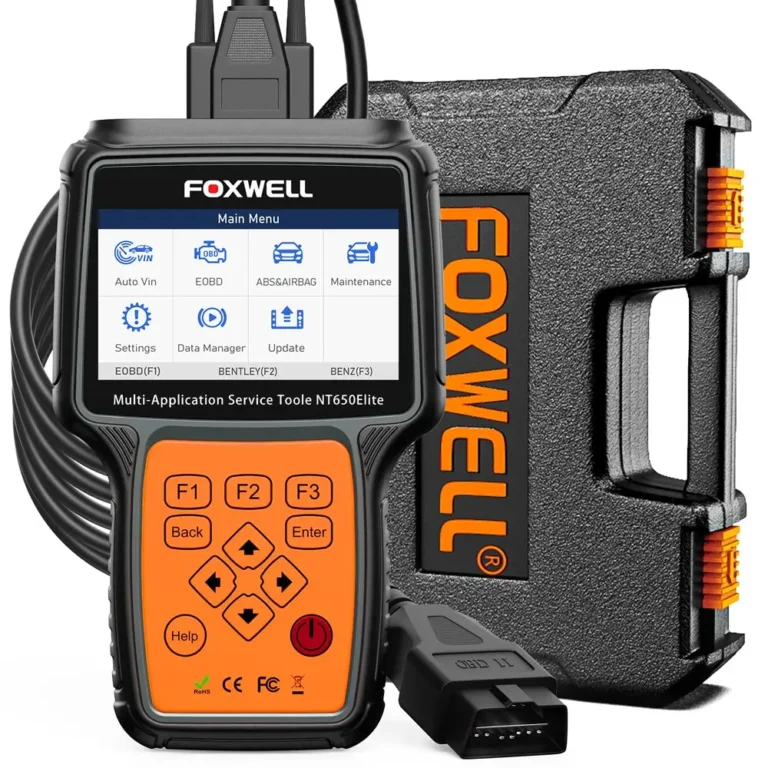
Check the real temperature your ECU is seeing in seconds with this setup:
4. Frequently Asked Questions from Drivers and Repair Shops
1. What does code P0117 or P0112 (Circuit Low) mean?
It is the exact opposite of P0118: the sensor’s two wires have chafed and are touching each other (a short to ground, 0.0V). In that case, the scanner will show an impossibly high false temperature such as +140 °C even when the engine is cold.
2. Once I install the new sensor, will the cooling fan turn off on its own?
On most vehicles, yes—as soon as the ECU sees a plausible temperature reading again (e.g., 25 °C), it shuts off the fail-safe cooling fan; after that, you just clear the stored trouble code with your scanner.