The engine in your Chevrolet Aveo, Nissan Versa, or Volkswagen Vento starts shaking at stoplights, loses power going up an overpass, and suddenly the Check Engine light begins flashing. When you scan it, two of the most common codes in Mexico appear: P0300 (random/multiple cylinder misfire) or P0171 (system too lean, Bank 1).
The most expensive mistake is rushing to the auto parts store to buy all 4 ignition coils, a set of spark plugs, the oxygen sensor, and the fuel pump based on guesswork. With two 5-minute tests on your OBD2 scanner, you will know the exact $150 or $900 MXN part causing the problem.
Code P0171 indicates there is too much air or too little fuel entering the engine (almost always due to a cracked vacuum hose or clogged fuel filter). When that lean mixture prevents the cylinders from firing properly, the computer also logs code P0300 (Misfire). On the other hand, if the code is an isolated P0301, P0302, P0303, or P0304, the issue is concentrated in the spark plug or ignition coil of that specific cylinder.
1. Technical Difference Between P0171 (Lean Mixture), P0300 (Multiple Misfire), and P0301–P0304
In the 1.6L engines of the Aveo, Versa, and Vento, the intake and ignition systems operate within very tight tolerances. When unmetered air enters downstream of the MAF or MAP sensor, all cylinders suffer equally.
Check this quick diagnostic chart to pinpoint the culprit right from your scanner's screen:
| Code on Screen | Vehicle Symptom | Most Common Root Cause (80% of Cases) |
|---|---|---|
| P0171 + P0300 | Rough idle that smooths out when revving to 2,500 RPM | Cracked vacuum hose or faulty PCV valve sucking in unmetered air. |
| P0301, P0302, P0303, or P0304 | Consistent jerking under acceleration or climbing hills | Faulty ignition coil or spark plug in that specific cylinder number. |
| P0171 on the highway only | Starts fine but bogs down under heavy power demand | Clogged fuel filter or low fuel pump pressure. |
2. 3-Step Weekend Diagnostic Procedure to Stop Guessing Parts
- Step 1 — Ignition Coil Swap Test: If your scanner reads P0302 (Cylinder 2), turn off the engine, swap the coil from cylinder 2 with cylinder 1, clear the codes, and start the car. If the code moves to P0301, you have 100% confirmed the coil is bad.
- Step 2 — RPM Test with Fuel Trims (STFT and LTFT): If you have code P0171, open Live Data on your scanner and check the LTFT value at idle (you will see +20% or +25%). Rev the engine to 2,500 RPM while parked: if LTFT drops toward 0% or +5%, you have a vacuum leak in a hose or intake gasket.
- Step 3 — Spark Plug Porcelain & Gap Inspection: Remove the spark plug from the affected cylinder and look for vertical black lines on the white ceramic insulator (evidence of electrical arcing or carbon tracking). If the coil's rubber boot is burnt, replace the spark plug and coil together.
3. Recommended Equipment and Parts to Fix This Issue Today
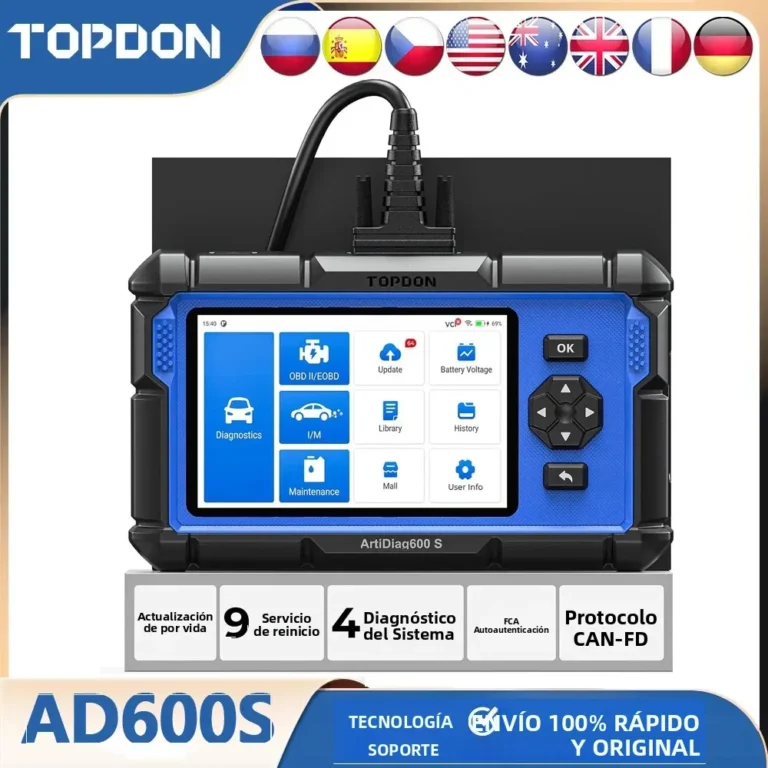
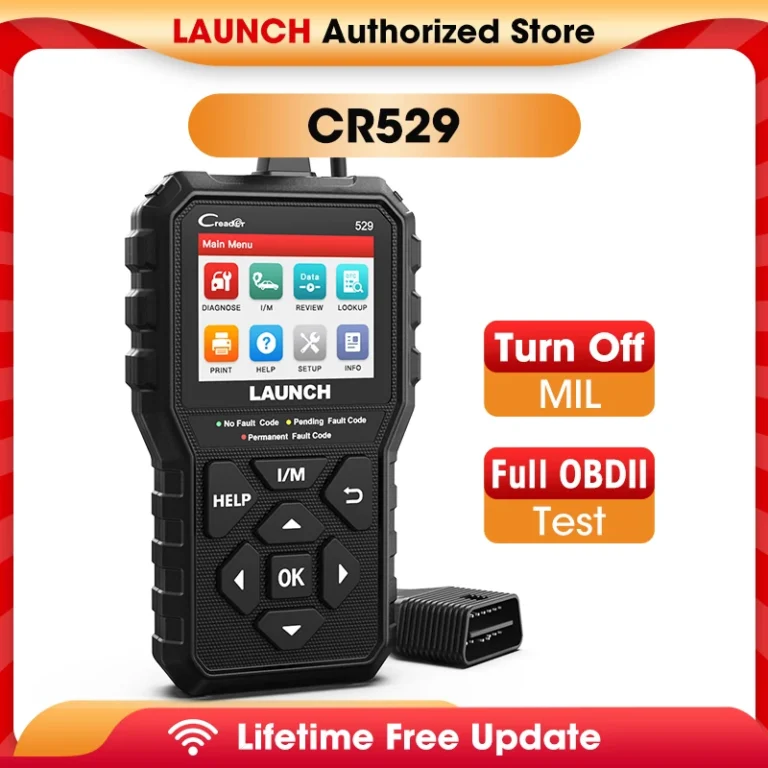
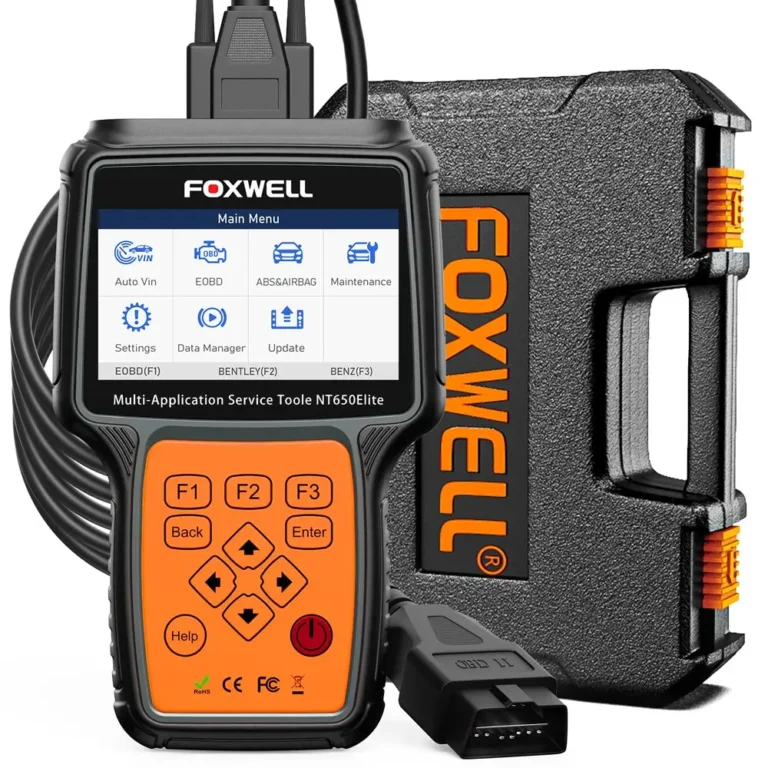
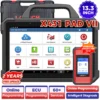
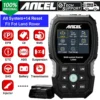
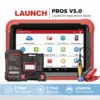
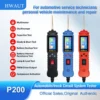
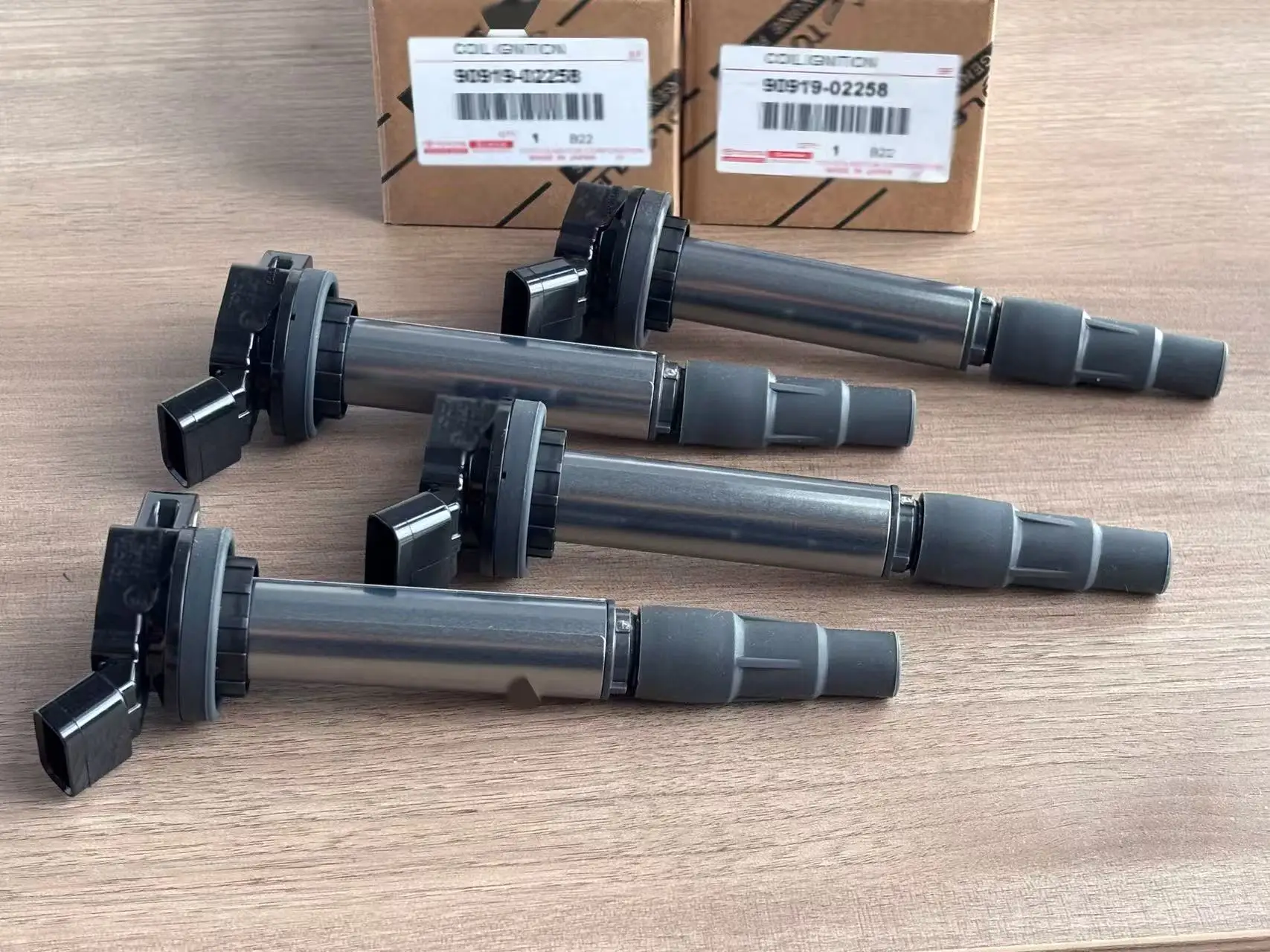
To read both exact cylinder codes and live fuel trims without paying annual subscription fees, pair our favorite glovebox scanner with OEM-quality coils:
4. Frequently Asked Questions
1. Can I keep driving my car if code P0300 makes the Check Engine light flash?
It is not recommended. A flashing Check Engine light means unburned fuel is dumping straight into the exhaust, which can melt the ceramic honeycomb inside your catalytic converter within just a few miles.
2. Is the LAUNCH CR529 compatible with the Chevrolet Aveo, Nissan Versa, and VW Vento?
Yes, it is 100% compatible with all generations of the Aveo, Versa, March, Sentra, Vento, and Jetta sold in Mexico thanks to its full support for OBD2/EOBD protocols.