Your vehicle emissions test deadline is just days away, the Check Engine light comes on, and scanning it reveals the dreaded P0420 code: ‘Catalyst System Efficiency Below Threshold (Bank 1)’. You go to an exhaust shop and the diagnosis takes 10 seconds: ‘You need a new catalytic converter—that'll run you $6,500 to $9,000 MXN’.
Before you hand over that kind of cash, you should know a documented technical fact: up to 4 out of 10 P0420 codes are false positives caused by exhaust leaks, uncorrected misfires, or a fouled downstream oxygen sensor.
The ECU compares the live waveform of Oxygen Sensor 1 (upstream, before the catalytic converter) against Oxygen Sensor 2 (downstream, after the catalytic converter). When the catalytic converter is healthy and up to operating temperature, Sensor 2 holds a nearly flat line (~0.7 V). If Sensor 2 starts oscillating just like Sensor 1, the ECU assumes the converter is no longer scrubbing emissions and sets code P0420. However, any outside air entering through a rusted exhaust pipe or an out-of-spec air/fuel mixture will skew that reading.
1. The 3 Inexpensive Causes That Trigger P0420 Without a Failed Catalytic Converter
A catalytic converter doesn't wear out from mileage alone; it almost always suffers—or throws false readings—because of an upstream engine or exhaust pipe issue:
Check this table before authorizing anyone to take a cutting torch to your exhaust:
| Hidden Fault | Why It Fools the Computer (P0420) | Approximate Repair Cost |
|---|---|---|
| 1. Exhaust leak or crack before Sensor 2 | Draws in outside oxygen via the Venturi effect, causing Sensor 2 to oscillate | $150 to $350 MXN (weld repair or new flange gasket). |
| 2. Prior engine codes (P0300, P0171, P0172) | An improperly burned air/fuel mixture temporarily saturates the catalyst with unburned hydrocarbons | $200 to $900 MXN (fix spark plugs, ignition coil, or vacuum leak first). |
| 3. Frequent short trips with a cold engine | Soot coats the ceramic honeycomb because the exhaust never reaches 600 °C | $0 to $350 MXN (decarbonizing cleaning and a highway drive cycle). |
2. The 3 Step-by-Step Tests With Your OBD2 Scanner This Weekend
- Step 1 — Check for companion trouble codes in the ECU: Go to ‘Read Codes’ on your scanner and check both stored and pending DTCs. If there are any codes for spark plugs, fuel injectors, or the ECT sensor, fix them first.
- Step 2 — Inspect for cold exhaust leaks with soapy water: Immediately after a cold start, inspect the exhaust manifold gasket and flex pipe around both oxygen sensors. Even a tiny puff of black smoke or bubbling is enough to trigger P0420.
- Step 3 — Graph O2S11 vs. O2S12 at 2,000 RPM with a warm engine: After driving 15 minutes on the highway to bring the catalytic converter up to optimal operating temperature, open both live sensor graphs on your scanner. If after decelerating and holding 2,000 RPM Sensor 2 stabilizes above 0.6 V, your catalytic converter still has useful life left.
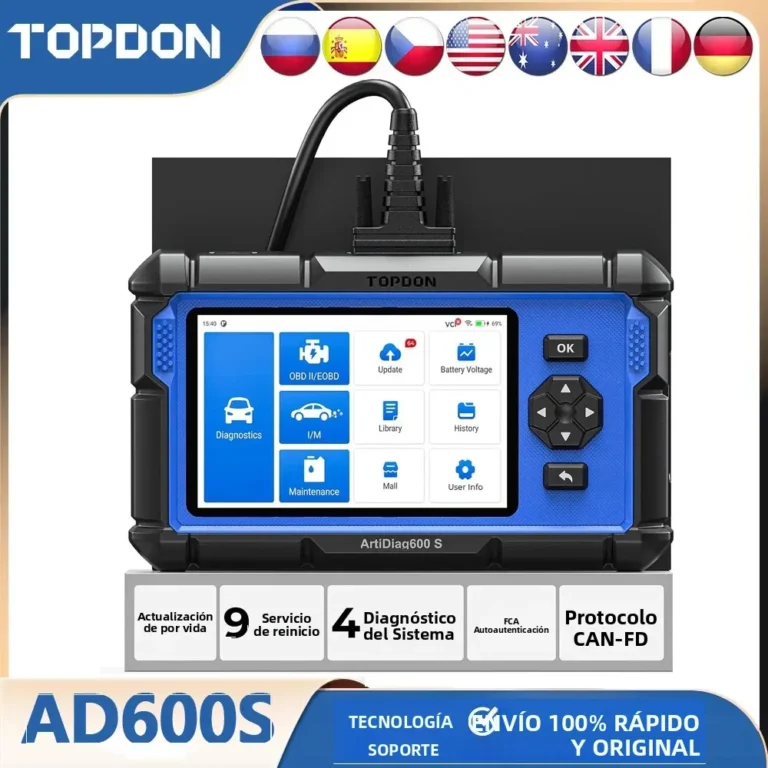
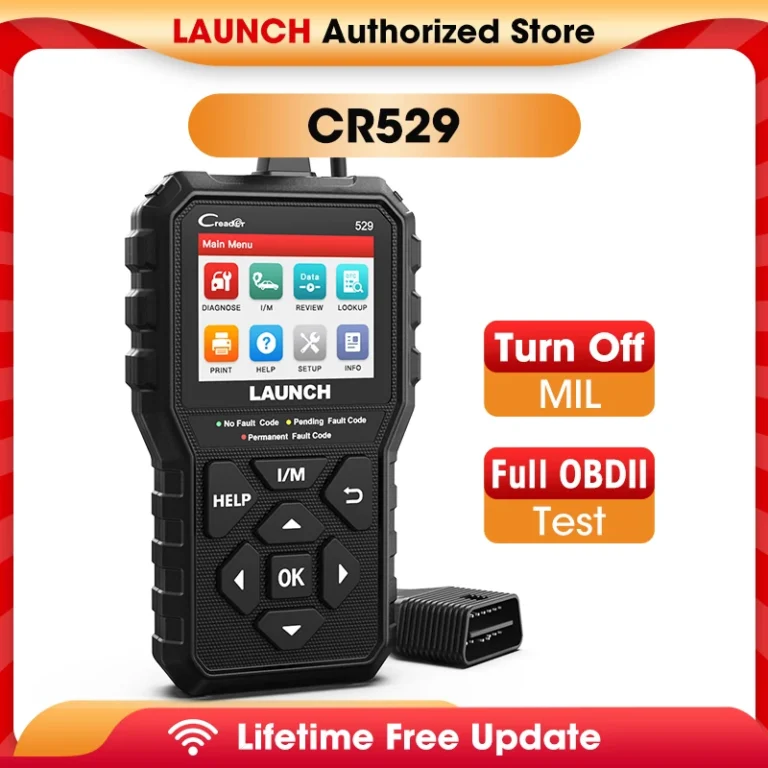
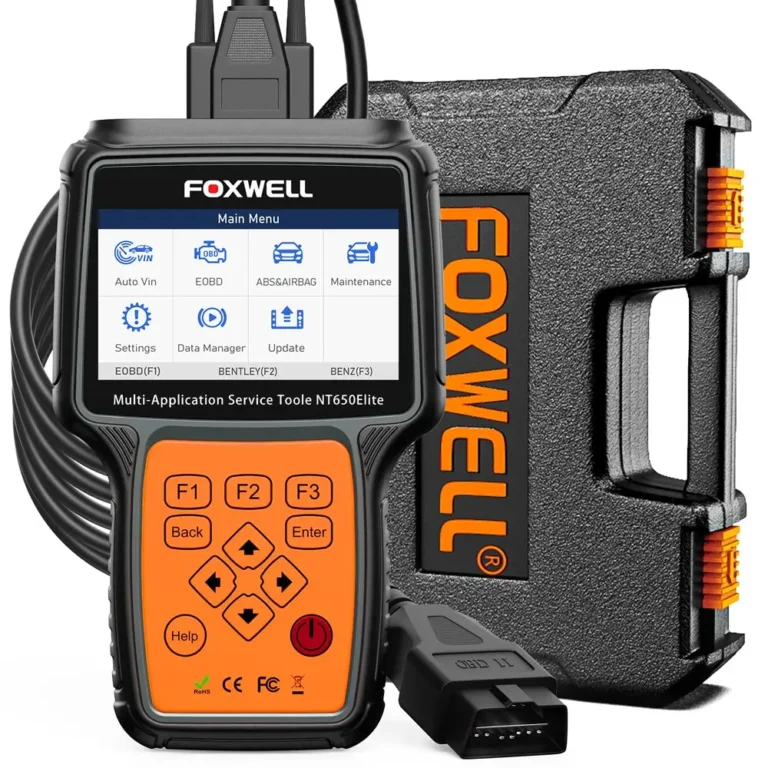
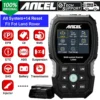
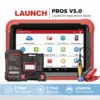
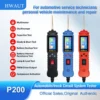
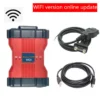
3. The Ideal Scanner to Monitor Your Catalytic Converter and Pass Emissions Testing
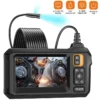
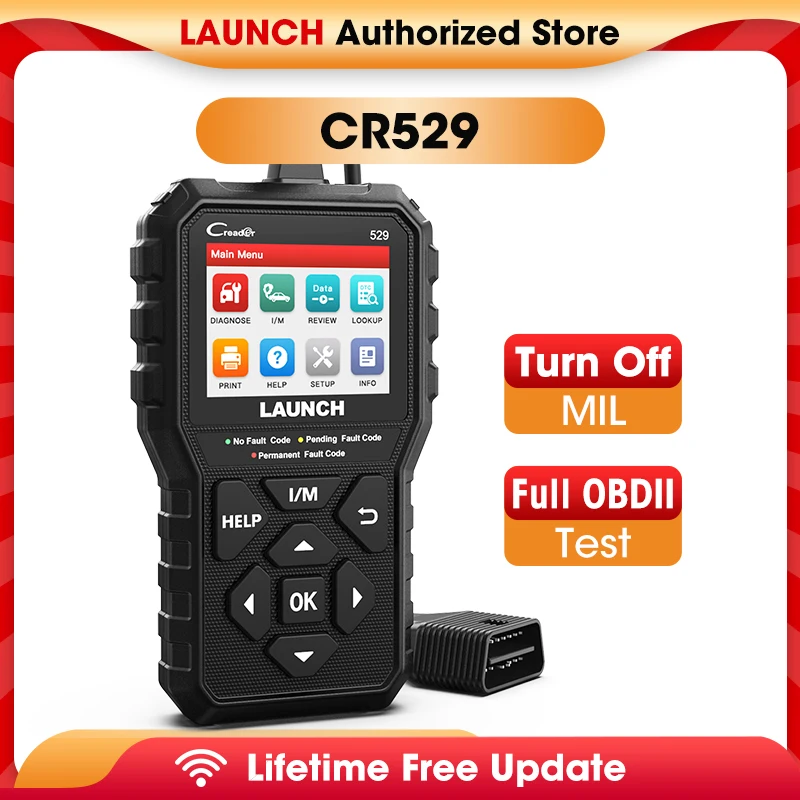
To graph both oxygen sensors and verify with a single click whether the Catalyst Monitor (CAT) has turned green before heading to the emissions testing center:
4. Frequently Asked Questions
1. If I clear the P0420 code right outside the testing station, will I pass emissions?
No. In Mexico City, the State of Mexico, and other states with OBD2 emissions inspections, clearing codes resets all I/M Monitors to ‘INC’ (Incomplete / Red), and the testing system automatically rejects the vehicle.
2. How many kilometers do I need to drive for the catalyst monitor to turn green?
It typically takes 1 to 3 complete drive cycles (including a cold start and a 10-to-15-minute stretch at a steady speed between 70 and 90 km/h). With your LAUNCH CR529, you can see the exact moment it switches to OK/Green.