You go to look at a pre-owned car on a Sunday morning. The bodywork shines, the seller swears it is ‘spotless and has never had a single issue,’ you turn the key, start the engine, and sure enough, there is no Check Engine light on the dashboard.
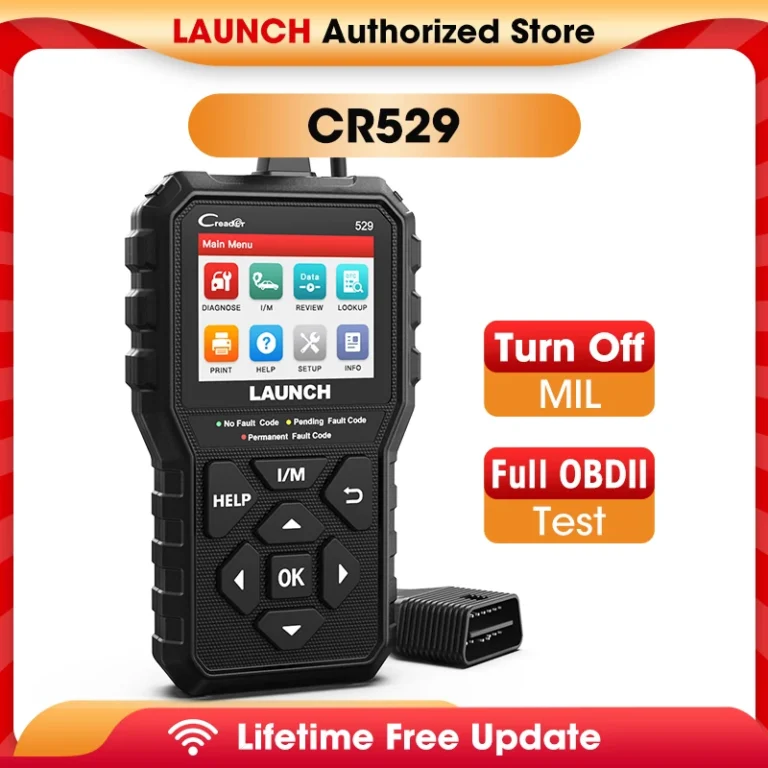
But there is an old trick many dishonest resellers use: 15 minutes before you arrive, they disconnect the battery or clear the codes with a basic code reader so the Check Engine light stays off during your 10-block test drive… only to come right back on two days after you have already paid for the car. With an affordable scanner like the LAUNCH CR529, you can uncover that trap in exactly 15 seconds.
When someone clears trouble codes before showing you a used car, they leave two digital footprints in the ECU that your LAUNCH CR529 scanner reveals immediately: 1) Press the red ‘I/M’ button: if you see the CAT, O2S, and EVAP monitors all showing ‘INC’ (Incomplete / Red) and the counter reads ‘0 km driven since last code clear (Distance since DTCs cleared = 0 km)’, they are hiding a fault from you! 2) Go into ‘Permanent Codes (Mode $0A)’: on 2010+ vehicles, permanent DTCs CANNOT be erased with a scanner or by disconnecting the battery.
1. 10-minute checklist with a scanner and endoscope camera to inspect a used car
Carrying your own scanner in your pocket when checking out a used car not only protects you from buying a $25,000 MXN headache; it also gives you real technical leverage to negotiate a better price:
Check these 3 points in order right in front of the seller:
| Used Car Test | What to Check on Your Tool | Red Flag to Walk Away (or Negotiate) |
|---|---|---|
| 1. Check Engine light at Key-On (KOEO) | Watch the instrument cluster before cranking | If the amber Check Engine icon does NOT light up even when turning the key to ON, someone covered the dashboard LED with black tape from behind. |
| 2. I/M Button + Distance Since DTCs Cleared (PID $31) | Check ‘Distance since DTCs cleared’ on your LAUNCH CR529 | If it reads less than 30 km since the last clear and monitors show INC, they just reset the ECU to hide a fault. |
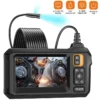
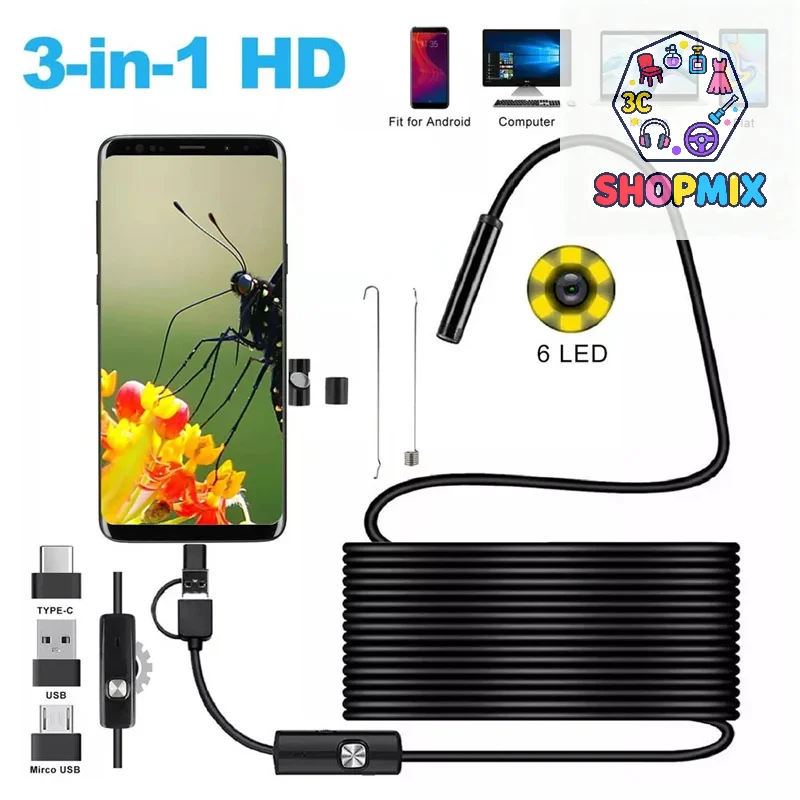
| 3. Endoscope Camera Inspection ($419 MXN) | Insert the probe through the oil filler cap | If you see thick black tar-like deposits (sludge), the engine did not get its oil changes on time. |
2. How to also check if the ABS and Airbag modules are healthy
- Step 1 — Match the electronic VIN against the vehicle paperwork: In your scanner's ‘Vehicle Information (Mode $09)’ menu, read the VIN stored inside the engine computer and verify that it matches the windshield plate and title/invoice character for character.
- Step 2 — Check real coolant temperature (ECT) and Fuel Trims on the test drive: During the test drive, watch Live Data to confirm coolant temperature stays below 102 °C and Long-Term Fuel Trims (LTFT) stay close to 0%.
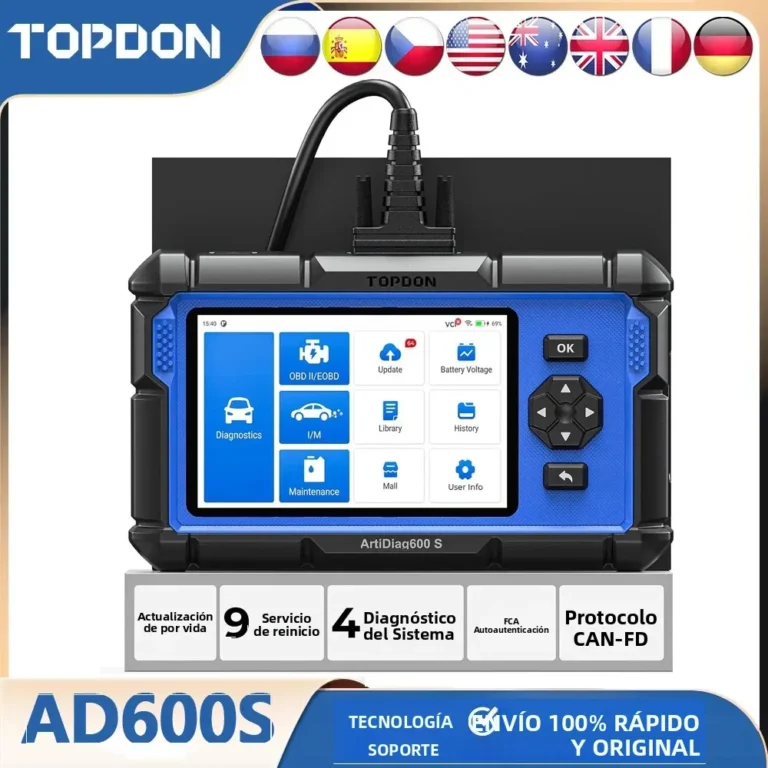
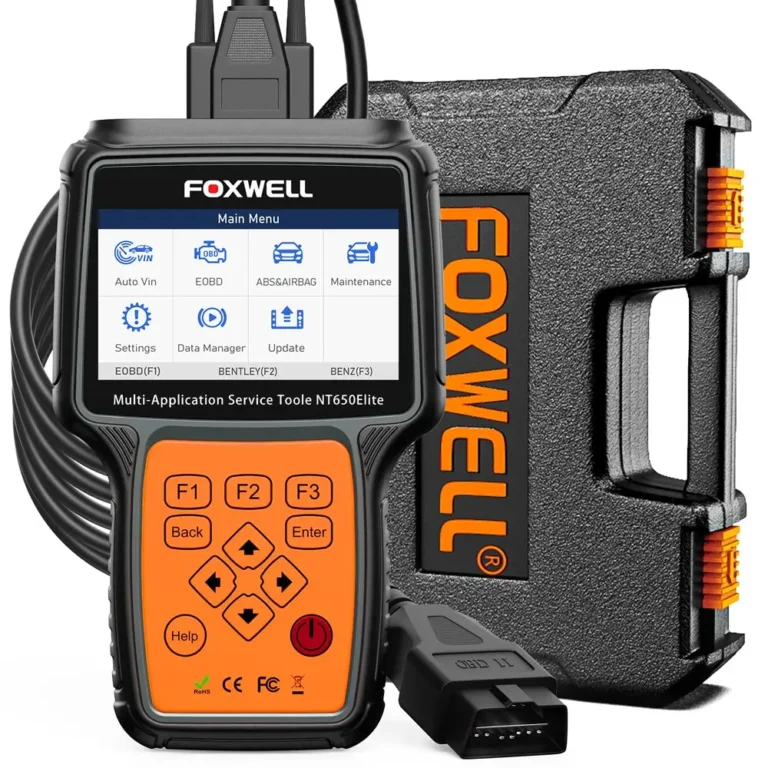
- Step 3 — If buying a mid-range or luxury vehicle, scan ABS, Airbag, and Transmission too: With a 4-system tool like the FOXWELL NT650 Elite or TOPDON AD600S, you can confirm in 2 minutes that the SRS airbags and automatic transmission have no hidden codes.
3. The used-car hunter kit that pays for itself on a single inspection
For under $2,000 MXN, carry the ultimate automotive lie detector with you:
4. Frequently Asked Questions from Drivers and Workshops
1. Can a scanner read the true mileage if the odometer was rolled back?
On a basic OBD2 reader like the CR529, you can view ‘Distance traveled with Check Engine on or since DTCs cleared’ (which sometimes exposes tampering if it exceeds the cluster reading). On advanced tools like the FOXWELL NT650 Elite, OTOFIX D1 Lite, or LAUNCH X431, you can read the odometer stored inside the Transmission Control Module (TCM) or ABS module to compare it against the dashboard.
2. Does the $419 MXN USB endoscope camera connect directly to a smartphone?
Yes, it features a 3-in-1 connector (USB-C, Micro-USB, and standard USB for laptops) and 6 adjustable LED lights with an IP67 waterproof and oil-resistant rating.