Engine oil does more than lubricate pistons and bearings: it also cools critical areas, cleans combustion residue, seals piston rings, and acts as the hydraulic fluid for Variable Valve Timing (VVT) actuators and hydraulic lifters.

Motor oil is literally the lifeblood of your engine. Even though it may look like just another fluid, it performs vital tasks to keep your vehicle running efficiently and safely. However, for oil to do its job properly, keeping it in good condition is essential. Below, we explain in plain terms why regular oil changes are critical for your vehicle.
What Does Oil Do Inside the Engine?
Engine oil performs three primary jobs in your engine:
- Lubrication: Inside the engine, many metal parts move rapidly and come into contact with one another. Without lubrication, that contact would generate friction, causing premature wear and potential severe damage. Oil forms a protective film between these parts so they can move smoothly.
- Cooling: While your car's cooling system handles primary temperature control, engine oil also helps dissipate heat caused by friction and engine movement. This keeps internal components from overheating.
- Cleaning: During operation, the engine accumulates tiny dirt particles, combustion residue, and wear debris. Oil traps these impurities and carries them to the filter, keeping the engine clean and in top condition.

What Happens If You Don't Change Your Oil on Time?
- Over time, engine oil loses its properties. It grows thicker, becomes less effective at lubricating, and collects too much contamination. This can cause:
- Increased engine wear: Friction rises, which can lead to permanent damage on internal components.
- Overheating: The engine works harder and generates more heat, which could result in costly breakdowns.
- Reduced performance: An engine that isn't properly lubricated burns more fuel and loses efficiency.
How Do You Know If You Need an Oil Change?

Here are some clear signs that it's time to change your car's oil:
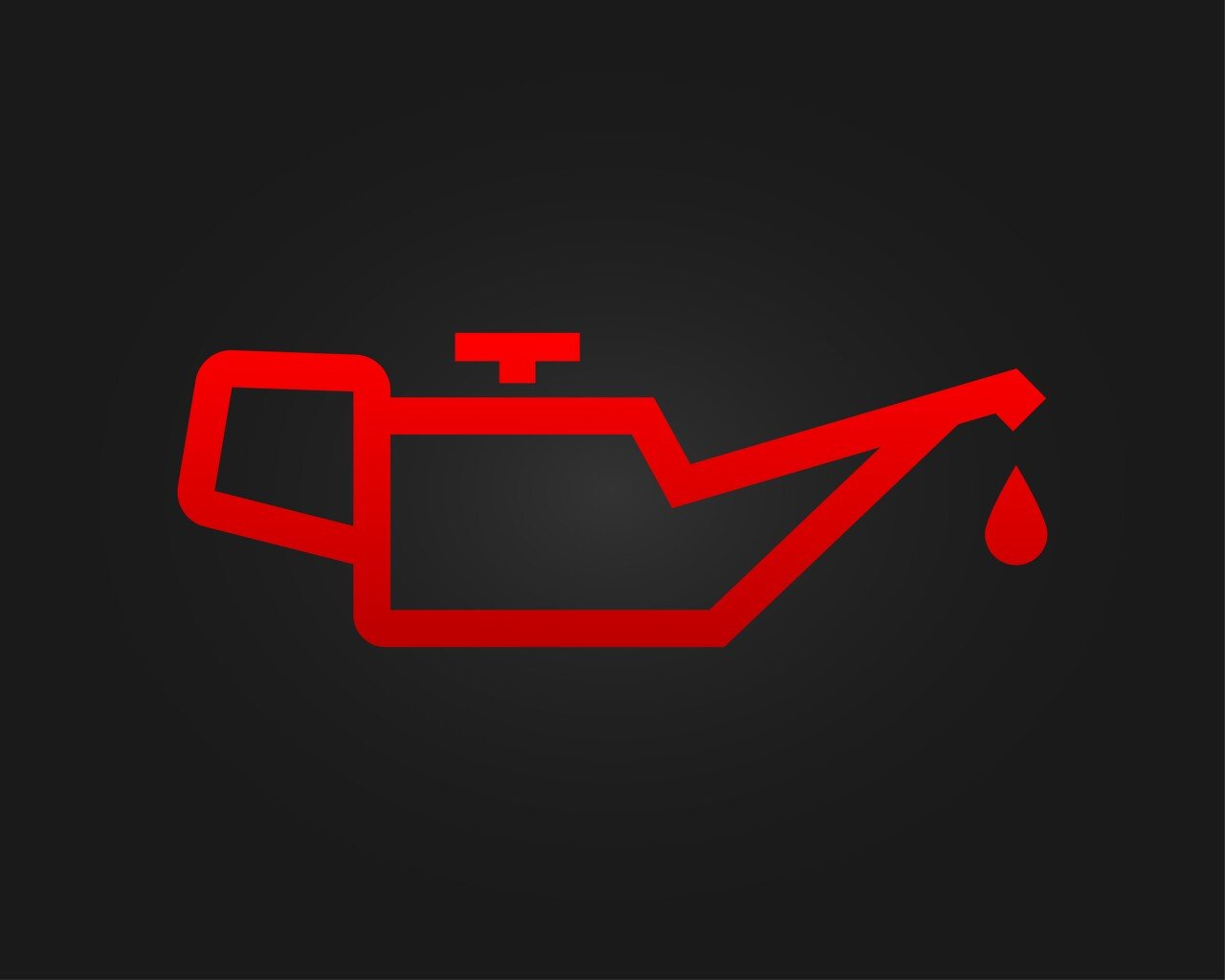
- The oil warning light on the dashboard is on.
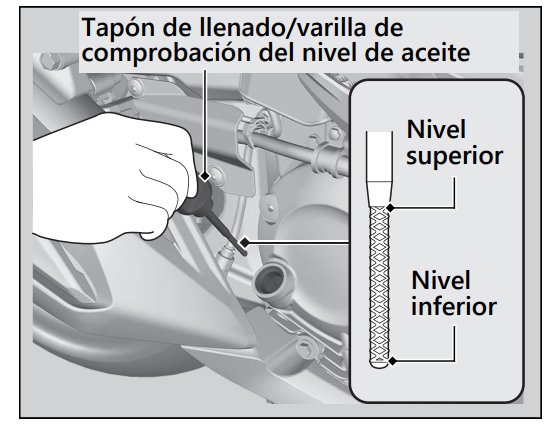
- The oil looks dark or has a thick texture when checked on the dipstick.
- The engine makes unusual noises or seems to labor under load.
- You have driven the manufacturer-recommended mileage interval since your last oil change.
The Solution Is Within Your Reach
At our workshop, we understand how important proper maintenance is. That's why we offer professional oil change service using high-quality products and personalized care. Our goal is to make sure your car is always in top shape so you can enjoy every drive worry-free.
Remember, a timely oil change doesn't just protect your engine—it also saves you money in the long run. Schedule your appointment today and give your car the care it deserves!
“The secret to an engine that never fails: Everything about oil changes”