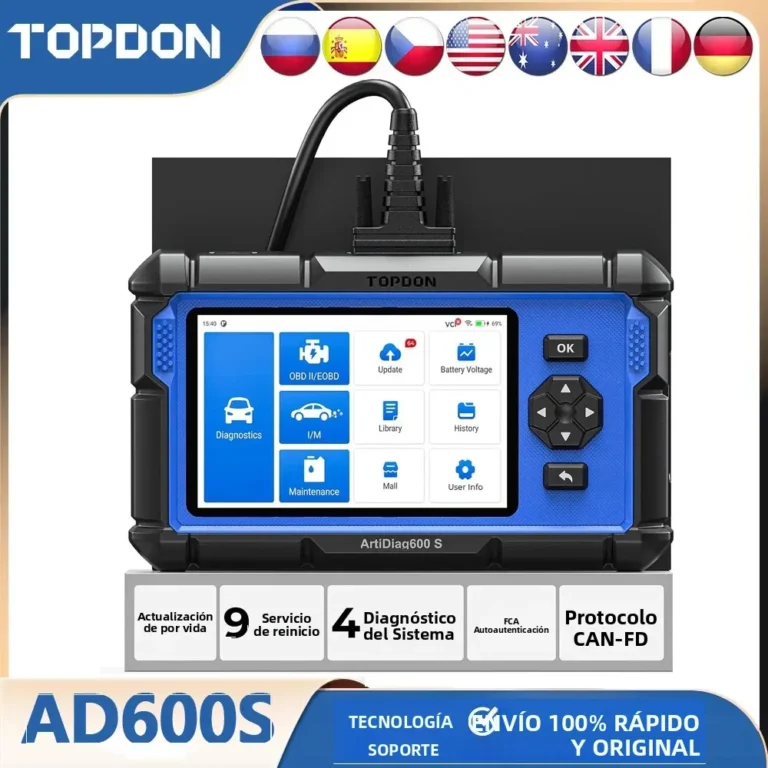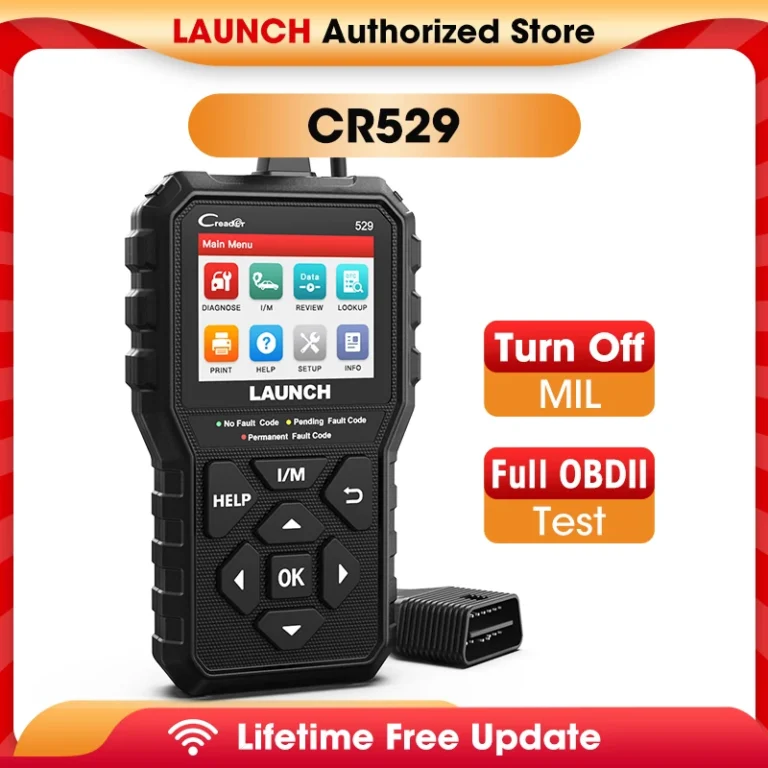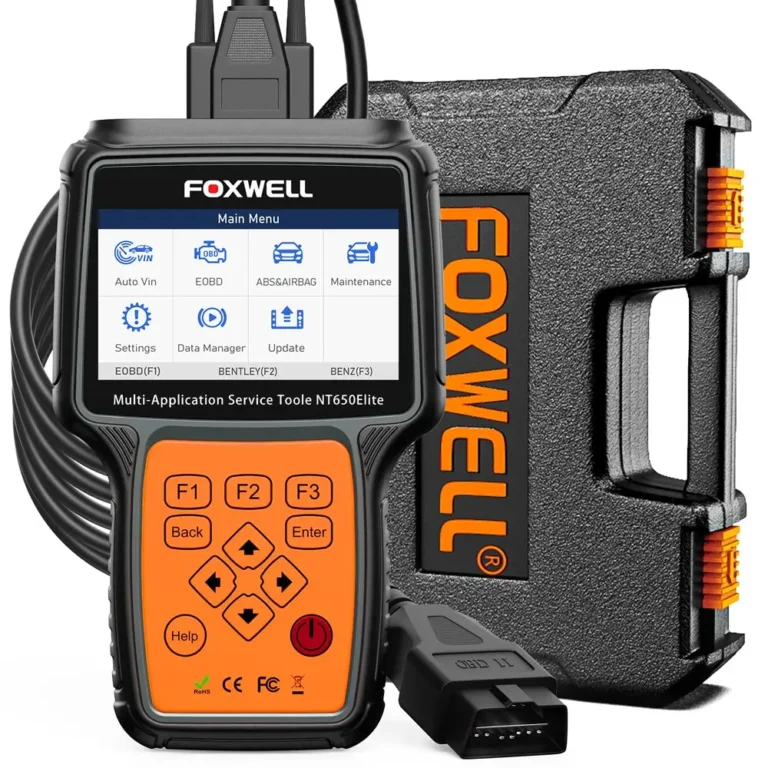
On vehicles like the Chevrolet Astra, Cruze, or Aveo, an out-of-range or intermittent engine coolant temperature (ECT) sensor (codes P0117 and P0118) causes the radiator cooling fan to stay constantly on, the temp gauge needle to drop to zero, and the ECU to over-fuel the engine as if it were operating in sub-zero weather.

It exhibited rough running and electrical faults.
“It has been running rough and overheating for a couple of days, and the warning lights won’t turn on,” were the customer’s first words when our customer care protocol began.
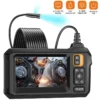
The day of the automotive diagnostic appointment arrived. After a brief conversation and a visual inspection of the vehicle and its engine bay, we proceeded to scan the car.

Automotive diagnostic experts know well that sometimes no trouble codes are displayed, or a misleading or unstored code appears—meaning the solution doesn’t always come solely from pulling codes.
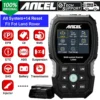
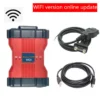
We performed a full electrical inspection, monitoring live data with professional-grade diagnostic equipment. After a few minutes with the engine running, high engine temperature was detected—the cooling fan was only kicking on at 125 °C.

Avoid pushing your engine to the limit.
After a brief analysis of the case and putting all the pieces of the puzzle together, we moved on to targeted automotive diagnostics.
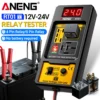
We ran circuit tests and recorded electrical readings from the temperature sensor, analyzing and comparing the measured values against OEM specifications. The sensor was confirmed faulty, replaced, and the issue was completely resolved.
Automotive diagnostics is vital!
Tweet