You hit a pothole, replace your brake pads, or drive through heavy rain, and suddenly three amber warning lights illuminate on your dashboard at once: the ABS letters, the skidding car icon (Traction Control / ESP), and on some vehicles even the parking brake or power steering light.
Each wheel on your car has its own ABS wheel speed sensor ($600 to $1,800 MXN each). Replacing them blindly by trial and error is a waste of money when a scan tool with ABS coverage and a basic multimeter can tell you in 2 minutes which of the 4 wheels stopped reading.
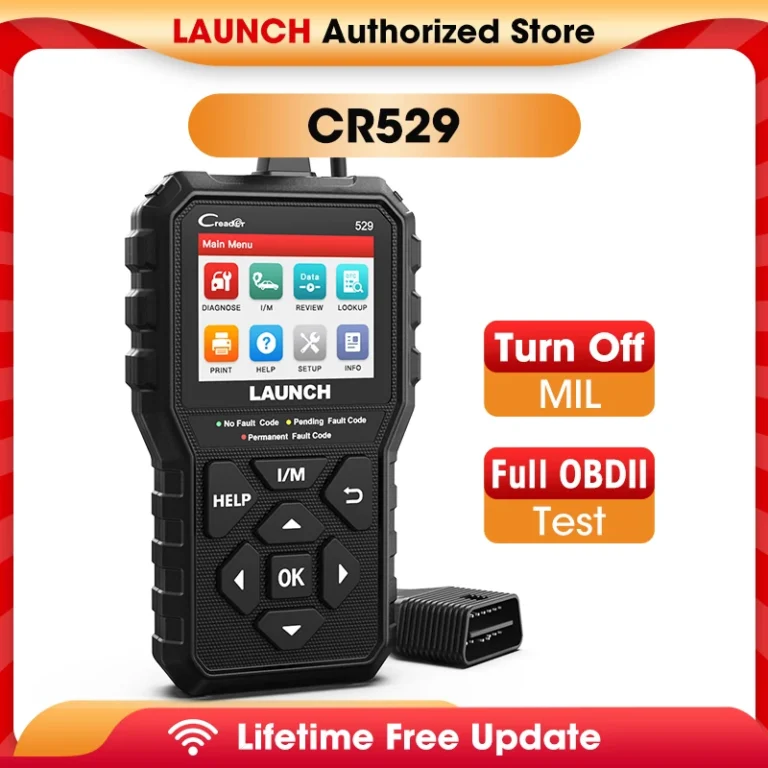
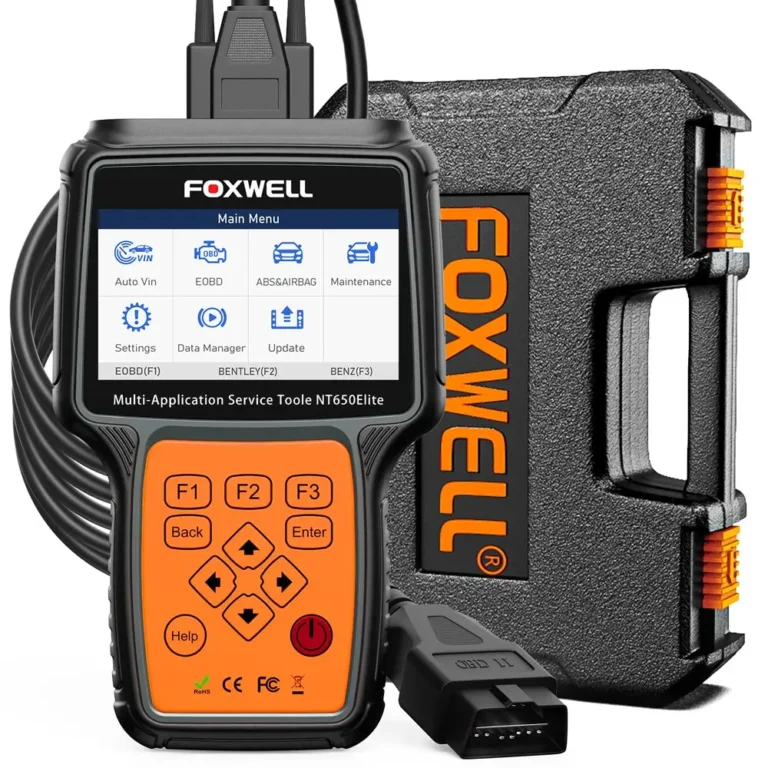
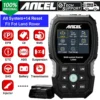
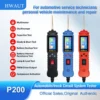
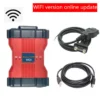
When you enter the ABS module with your FOXWELL NT650 Elite or TOPDON AD600S scan tool, the C-family trouble code identifies the exact corner: 1) C0035: Front Left wheel speed sensor (driver side). 2) C0040: Front Right wheel speed sensor (passenger side). 3) C0045: Rear Left wheel speed sensor. 4) C0050: Rear Right wheel speed sensor. Plus, if you open ‘Live Data -> 4 Wheel Speeds’ and drive at 20 km/h, you will see 3 wheels reading 20 km/h while the faulty wheel stays stuck at 0 km/h.

1. Why an ABS Sensor Fails and How to Test It With a Multimeter at the Wheel
The ABS sensor is mounted right behind the brake rotor pointing at a tone ring or magnetic bearing, exposed to mud, metallic brake pad dust, and harness tugging when turning the steering wheel:
Run these checks on the wheel flagged by your scan tool:
| Common Wheel Fault | What the Scan Tool / Multimeter Shows | Practical Fix |
|---|---|---|
| 1. Sensor tip coated in metal shavings | Live wheel speed spikes or drops out at low speed | Remove the sensor bolt, wipe the magnetic tip clean with a rag, and reinstall (Cost: $0). |
| 2. Sensor wire severed by rubbing against the tire | ‘Open Circuit’ code and a fixed 0 km/h reading on that wheel | Use a multimeter to verify 12V or 5V reference power at the vehicle harness; if power is present, replace that wheel's sensor. |
| 3. Magnetic wheel bearing installed backwards after repair | Sensor is new and receives voltage, but still reads 0 km/h | The dark magnetic encoder strip on the bearing must face toward the tip of the ABS sensor. |
2. Step-by-Step Guide to Diagnosing and Turning Off the ABS Light This Weekend
- Step 1 — Graph all 4 wheels in live data with your scan tool at 15 km/h: Connect your FOXWELL NT650 Elite or TOPDON AD600S, go to ABS -> Live Data, select all 4 wheel speed parameters, and drive around the block.
- Step 2 — Test the connector in the wheel well with your multimeter: Turn the affected wheel or lift it with a jack, unplug the ABS sensor connector, and probe the vehicle-side harness with your multimeter leads (ignition ON): you should read ~12V or ~5V supply voltage.
- Step 3 — Clean or replace the sensor and run ‘Clear ABS Codes’: On many vehicles, after cleaning or replacing the ABS sensor, you must clear the fault code with your scan tool and drive above 20 km/h for both the ABS and Traction Control lights to turn off.
3. Scan Tools With Full ABS Brake Diagnostics and Electronic Bleeding
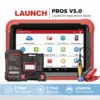
Take full control of your car's or shop's braking system with these two flagship tools:
4. Frequently Asked Questions From Drivers and Repair Shops
1. Why do the Traction Control (ESP) and Check Engine lights also turn on when a single ABS sensor fails?
Because traction control, the automatic transmission, and the engine computer rely on the wheel speed signal from the ABS sensors to determine vehicle speed; if one wheel signal drops out, all of those systems enter fault mode.
2. Can I test a modern 2-wire (Active/Magnetoresistive) ABS sensor just by measuring Ohms?
You can on older passive ABS sensors (which read 800 Ω to 1,600 Ω), but modern active ABS sensors contain a Hall-effect IC: the fastest and most reliable test is checking its km/h readout in Live Data on your scan tool and verifying supply voltage at the connector.