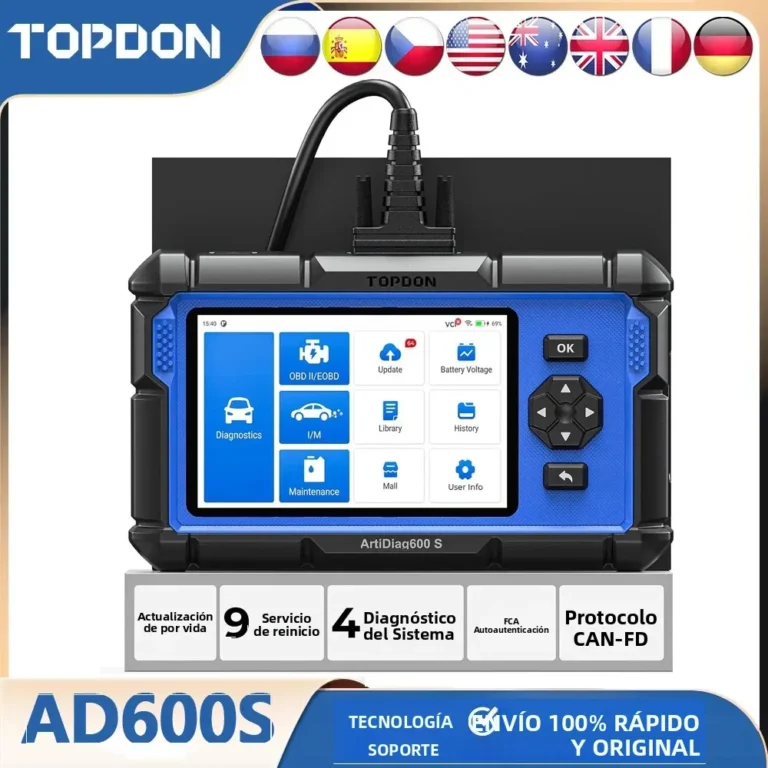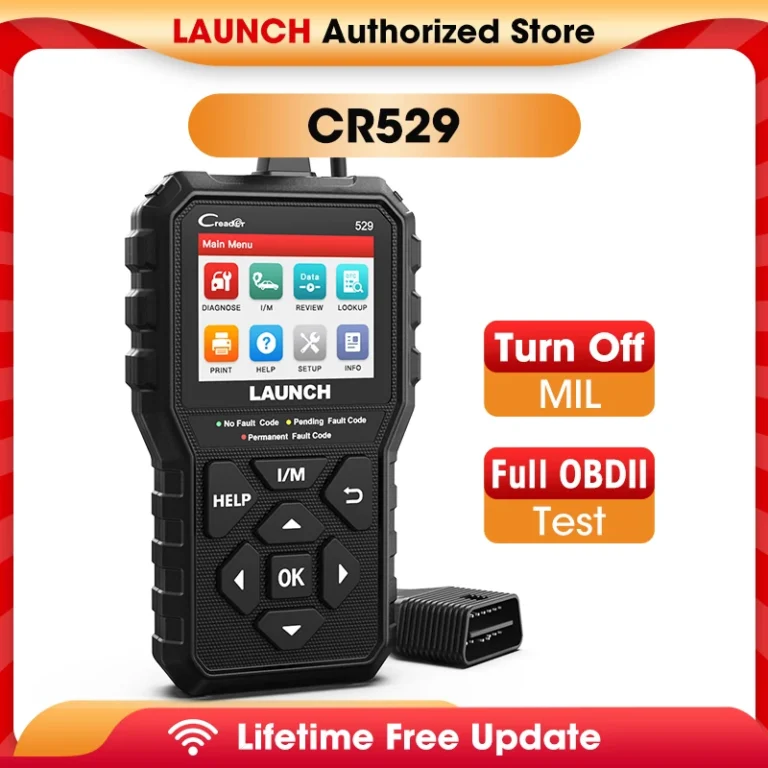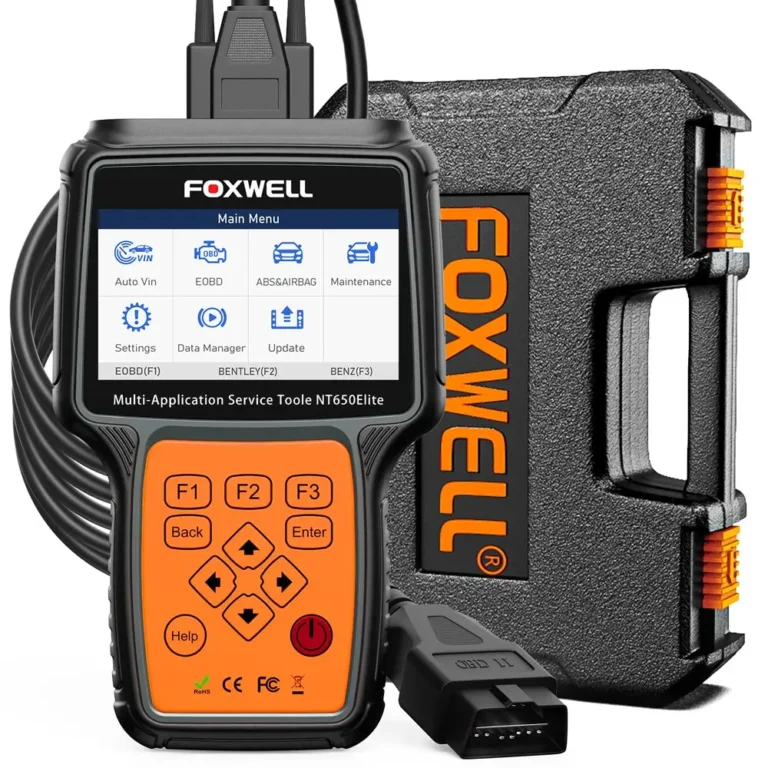
A clogged fuel filter restricts fuel flow to the injector rail, causing power loss on inclines, hard cold starts in the morning, and lean mixture (P0171) or low fuel rail pressure (P0087) codes that are often mistaken for a failing fuel pump.
The fuel filter is an essential component in vehicles, responsible for purifying fuel before it reaches the engine, preventing impurities and harmful particles from affecting its performance and longevity.
Function of the fuel filter:
This device filters the fuel heading to the engine, removing contaminants such as dust, rust, and other debris that could clog the injectors or damage internal components. By keeping the fuel clean, it ensures efficient combustion and protects the fuel injection system.
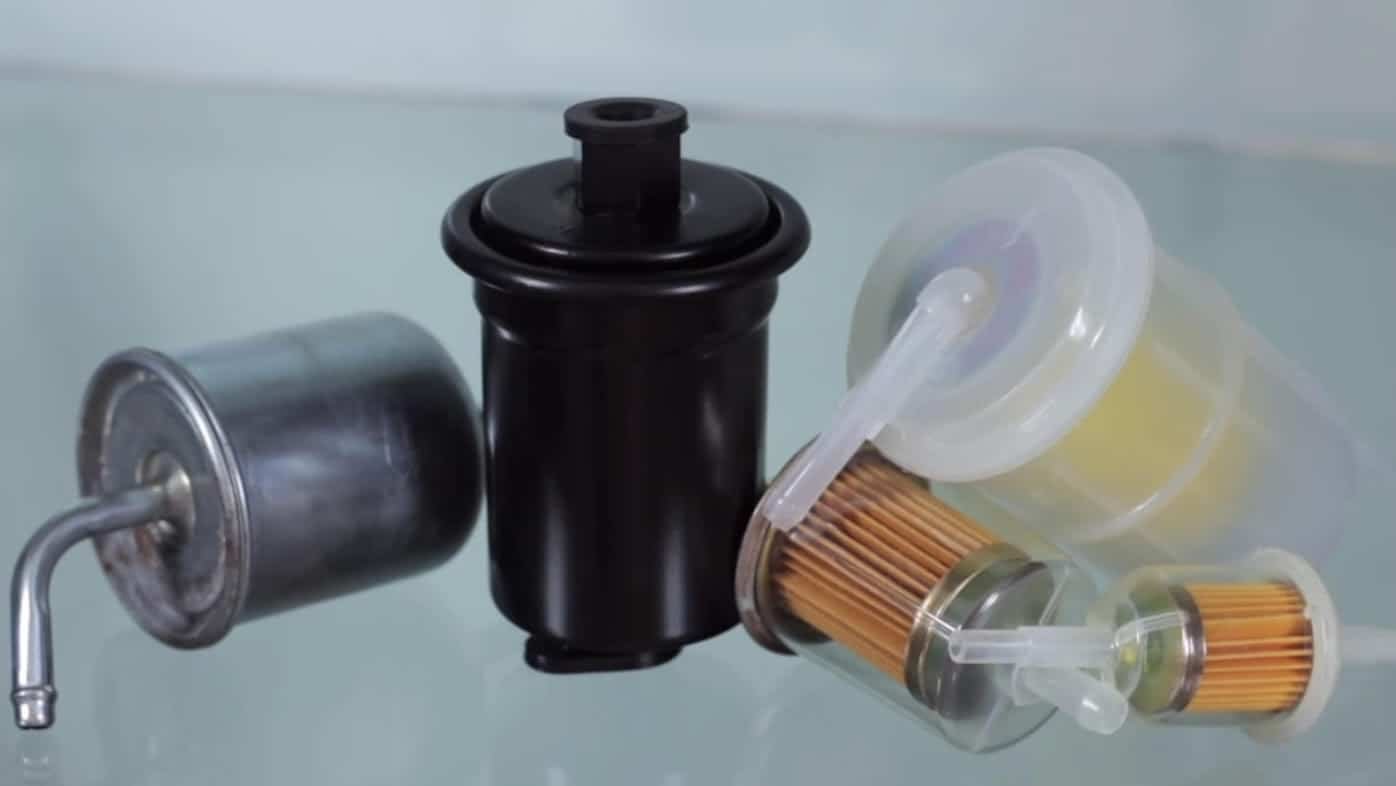
Location of the fuel filter:
The position of the filter varies depending on the vehicle's design:
- Modern vehicles: It is usually located along the fuel line, underneath the car, near the fuel tank.
- Older vehicles: It may be found in the engine bay, near the fuel injection system or carburetor.
It is advisable to check your owner's manual to identify its exact location.
Symptoms of a dirty or clogged fuel filter:
- Hard starting: A clogged filter can restrict fuel flow, causing trouble when starting the engine.
- Loss of power: The vehicle may experience sluggish acceleration or struggle when climbing hills due to insufficient fuel delivery.
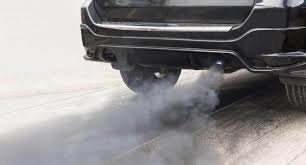
- Unexpected engine stalling: A lack of steady fuel flow can cause the engine to stall while driving.
- Increased fuel consumption: A dirty filter can disrupt the air-fuel mixture, causing the engine to burn more gasoline than usual.
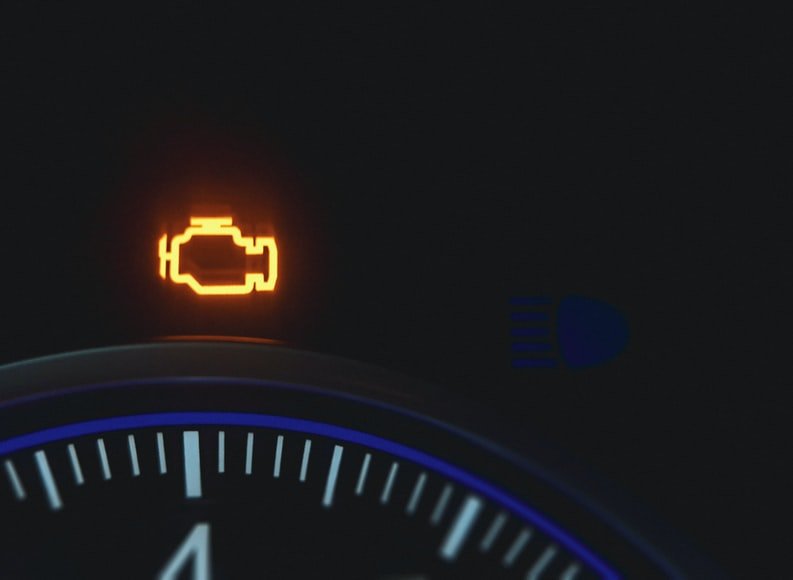
- Illuminated "check engine" light: Vehicle sensors may detect irregularities in fuel flow, triggering this warning light on the dashboard.
Maintenance recommendations for the fuel filter:
- Replacement intervals: Although recommendations vary by manufacturer, it is generally advised to replace the fuel filter every 30,000 to 60,000 kilometers. It is essential to review the vehicle's manual to follow specific guidelines.
- Use quality fuel: Filling up at reputable gas stations reduces the likelihood of introducing contaminants into the system.
- Periodic inspections: During routine maintenance, ask your mechanic to inspect the fuel filter to ensure proper operation.
A fuel filter in good condition is crucial for optimal vehicle performance, ensuring efficient combustion and extending engine life. Paying attention to the symptoms mentioned and performing proper preventive maintenance will help avoid major issues and additional repair costs.