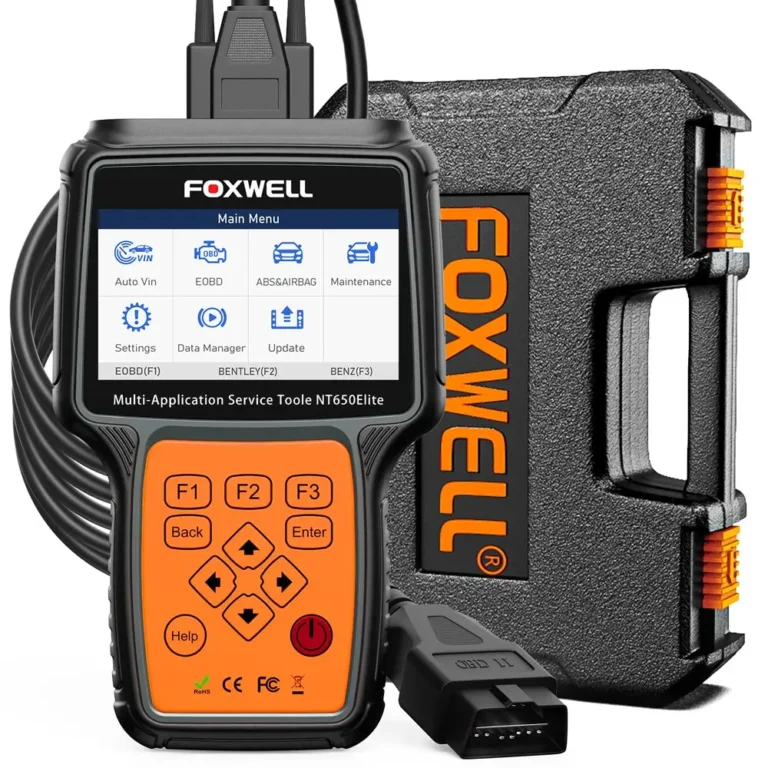
Spark plugs generate the electrical arc that ignites the air-fuel mixture thousands of times per minute. When the electrode wears down or the ceramic insulator cracks, the spark weakens or misfires under load, overworking the ignition coil until it burns out and triggering codes P0300 through P0306.
Spark plugs are essential components in gasoline internal combustion engines. Their primary function is to generate the electrical spark needed to ignite the air-fuel mixture inside the combustion chamber, enabling engine startup and continuous operation. In addition, spark plugs help transfer heat generated during combustion into the engine cooling system, helping maintain an optimal operating temperature.
Types of spark plugs by heat range:
Have you ever wondered: What is the difference between cold and hot spark plugs?
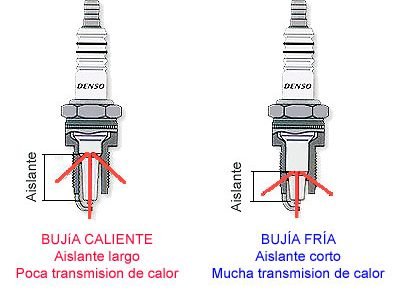
- Hot spark plugs: They feature a longer insulator nose, allowing them to retain a higher firing-tip temperature. They are ideal for lower-output engines and low-speed driving conditions, as they help burn off carbon deposits that can build up on the spark plug tip.
- Cold spark plugs: They feature a shorter insulator nose, allowing rapid heat dissipation. They are designed for high-output engines and high-speed driving conditions, helping prevent issues such as pre-ignition or engine knock.
Signs of spark plug wear or failure:

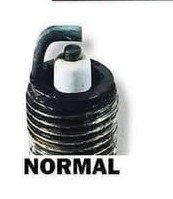
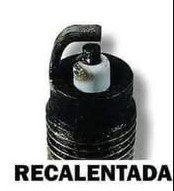
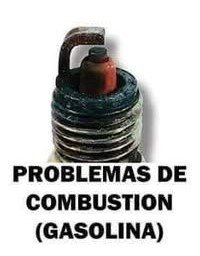
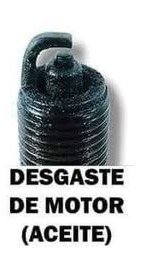
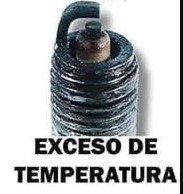
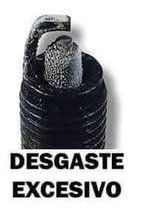
- Hard starting or difficulty starting the engine.
- Loss of power during acceleration.
- Increased fuel consumption.
- Engine vibrations or rough running.
These symptoms may indicate that your spark plugs are worn or damaged, negatively affecting engine performance and efficiency.
Spark plug maintenance recommendations:
- Replacement intervals: It is advisable to replace spark plugs according to the vehicle manufacturer's specifications. Generally, replacement is recommended every 20,000 to 30,000 kilometers, though this interval can vary depending on the spark plug type and vehicle operating conditions.
- Proper selection: Using the exact spark plug type specified for your vehicle is crucial. Incorrect spark plugs can negatively affect engine performance and efficiency.
- Professional installation: Although replacing spark plugs may seem straightforward, having them installed by a professional is recommended to ensure proper installation and avoid potential engine damage.
Keeping your spark plugs in optimal condition is essential for ensuring efficient engine performance, proper fuel economy, and lower exhaust emissions. Proper care of this component will extend engine life and improve your driving experience.
- OBD2 Link Error on 2020+ Vehicles: What the CAN-FD Protocol Is and How to Test Your Connector in 3 Steps with a Multimeter
- Your Car Actually Tells You What's Wrong: How to Read OBD2 Codes in 5 Minutes This Weekend and Avoid Overpaying the Mechanic
- Codes P0507 and P0506 (High Idle or Stalling at Traffic Lights): How to Test the IAC Valve with a Multimeter and Recalibrate with a Scanner at Home
- What Is a Bidirectional Scanner (Active Tests)? How to Activate Fans, Fuel Pumps, and Injectors from the Screen Without Disassembling
- How to Scan a Used Car in 10 Minutes Before Buying: The Budget Scanner and Borescope Trick to Spot Cleared Trouble Codes